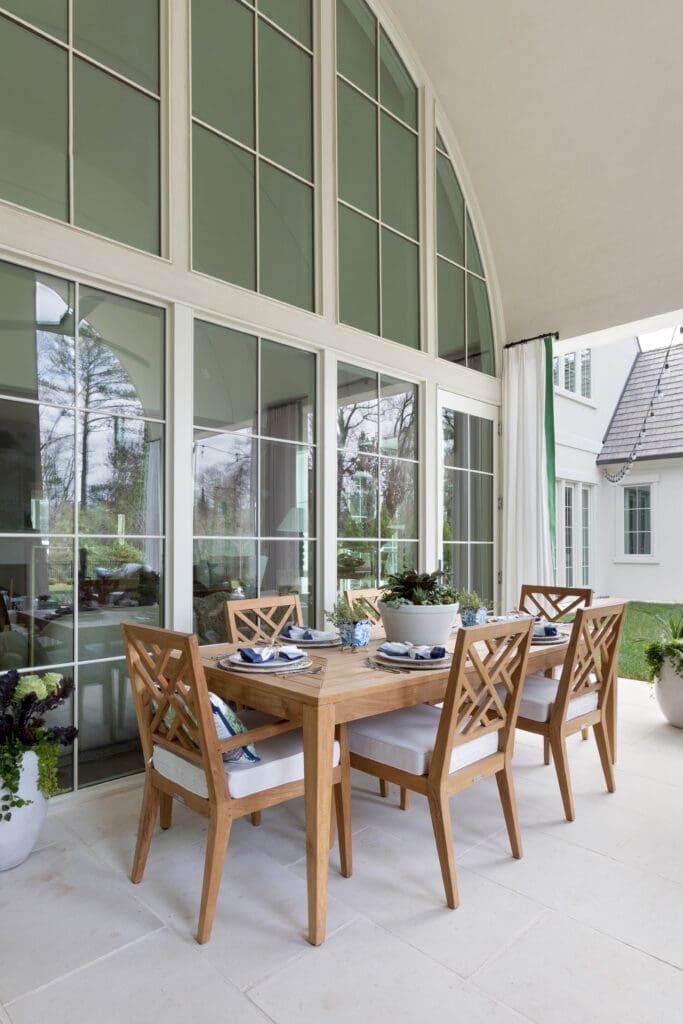
Why the Designer-Contractor Relationship Makes or Breaks Your Project
When most people think about hiring an interior designer, they picture moodboards, fabric swatches, and furniture selections. While those are absolutely part of the process, there’s a less glamorous, and possibly more important, side of the job that happens long before a single item is ordered or a single wall is painted.
It’s the relationship between the designer and the contractor that can make or break your project.
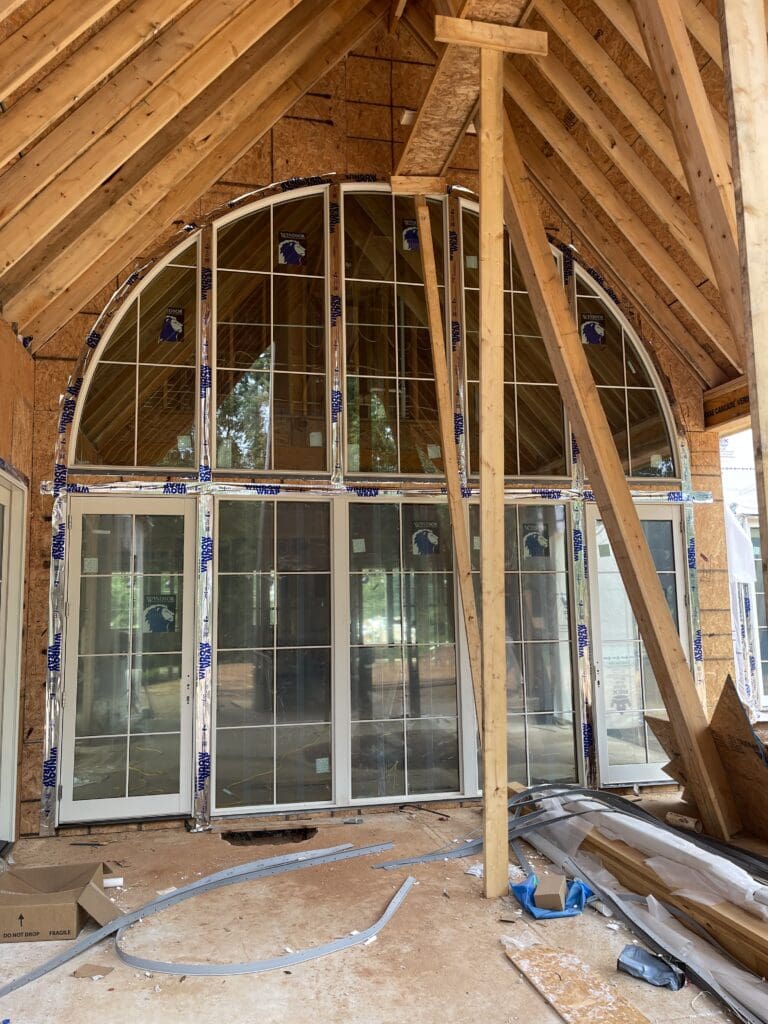
It Starts Before Anyone Picks Up a Hammer
The best projects don’t begin on demo day. They begin in pre-construction – planning sessions, design reviews, and detailed walkthroughs – where every decision gets discussed before work starts.
This phase is where the designer and contractor align on the vision, identify potential problems, and establish a shared understanding of what the finished project needs to look like. It’s not the most exciting part of a renovation, but it does lessen mistakes. Getting it right here is what saves you from costly surprises mid-project.
A designer who is present and engaged during pre-construction isn’t just a nice-to-have. They’re essential.
During Construction: The Designer as Liaison
Once the work begins, the designer’s role shifts.
The designer serves as the primary liaison between the client and the contractor. That means fielding last-minute decisions when something unexpected comes up (and something always comes up), making sure the work in progress actually reflects what was designed on paper, and keeping the overall timeline on track when competing priorities start to pull in different directions.
This is where so many DIY renovation attempts quietly fall apart. Without someone who understands both the design intent and the construction process, clients are left making high-stakes decisions without context and often under pressure. That’s how you end up with a finished space that’s almost what you wanted, but not quite.
Having a designer in your corner during construction means you have an advocate who knows the plan, knows the details, and knows what questions to ask when something doesn’t look right.
The Final Punchlist: Where Details Get Their Due
As the project wraps up, there’s one more critical moment where the designer earns their place: the final punchlist.
This is the walk-through where every last detail gets reviewed against the standard that was promised at the start. Paint edges, hardware alignment, tile grout, fixture placement, these things are easy to overlook when you’re eager to be done.
The Difference Between Parallel Workers and a True Team
There’s a difference between a designer and a contractor who work on the same project, and a designer and contractor who work together.
When these two roles operate in silos things fall through the cracks. Details get lost in translation. Decisions get made without full context. And, the client ends up managing the gap between them.
When they operate as a team, something different happens. The project moves more smoothly. Problems get solved before they become crises. And, the client gets to actually enjoy the process instead of just surviving it.
The best results always come from the best collaboration.
Ready to Start Your Project the Right Way?
If you’re planning a renovation or redesign and want to know what a well-run, fully supported project actually looks like, I’d love to talk. An initial call is the perfect place to start. We’ll discuss your space, your goals, and how the process works from pre-construction all the way through move-in day.